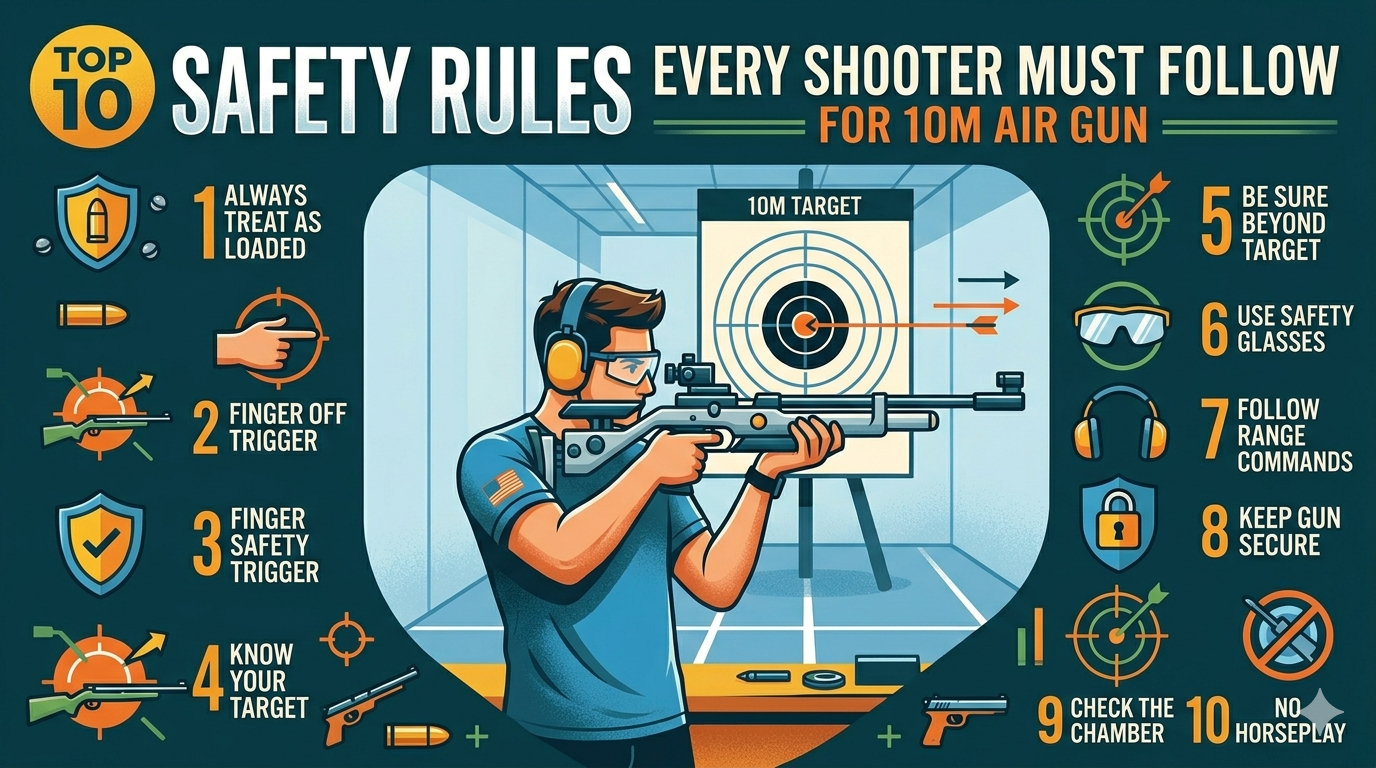
Shooting sports are built on precision, discipline, concentration, and responsibility. Whether you are a beginner learning at a shooting academy or an experienced competitor preparing for tournaments, safety must always come first. Every professional shooter understands that proper safety practices not only protect people around them but also create a positive and professional shooting environment.
Many people misunderstand shooting sports because they focus only on the equipment involved. In reality, shooting sports are among the most disciplined and rule-based athletic activities in the world. Strict safety standards are followed at shooting ranges, academies, and international competitions such as the Olympics.
Learning and following safety rules is the first step toward becoming a skilled and responsible shooter. Here are the top 10 safety rules every shooter must follow.
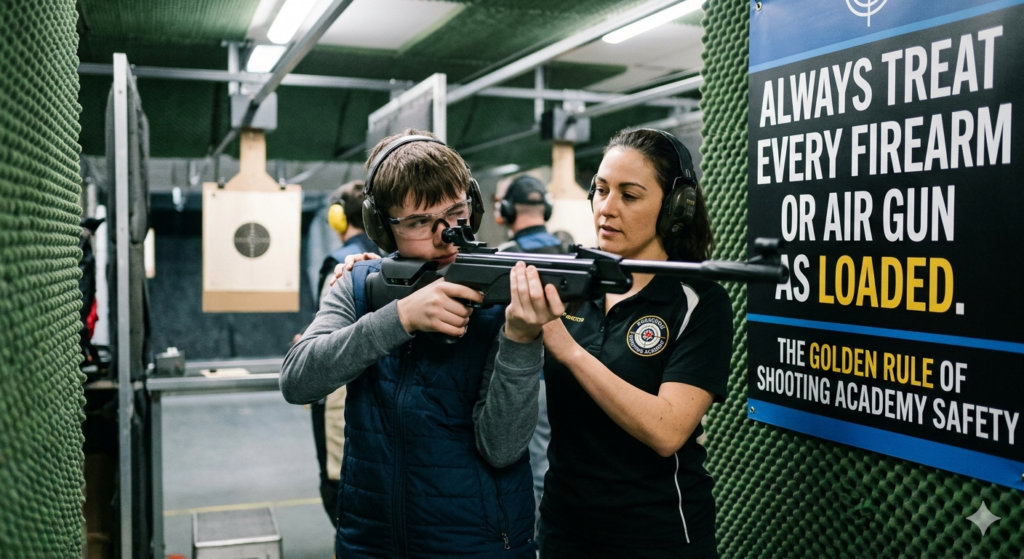
1. Always Treat Every Firearm or Air Gun as Loaded
The most important rule in shooting sports is simple: always assume that every firearm or air gun is loaded, even if you believe it is empty.
Never point a gun carelessly, joke with equipment, or ignore handling procedures. Before handling any firearm or air rifle, check the chamber, magazine, or loading area carefully. Even experienced shooters double-check their equipment because accidents often happen when someone assumes a gun is unloaded.
This rule creates a mindset of constant awareness and responsibility. When every shooter treats equipment with respect, the range becomes much safer for everyone.
Key Tips:
- Check the firearm personally before use.
- Never rely only on someone else’s word.
- Handle every gun carefully at all times.
2. Keep the Muzzle Pointed in a Safe Direction
The muzzle is the front end of the firearm or air gun where the projectile exits. One of the most critical safety habits is keeping the muzzle pointed in a safe direction at all times.
At a shooting range, the safe direction is usually downrange toward the target area. Even when carrying equipment, adjusting your stance, or moving between stations, the muzzle should never point toward another person.
Professional shooters develop this habit naturally through regular practice and disciplined training.
Why It Matters:
If an accidental discharge occurs, pointing the muzzle safely minimizes the risk of injury or damage.
Best Practices:
- Always point downrange.
- Avoid swinging the firearm while turning.
- Maintain awareness of people nearby.
3. Keep Your Finger Off the Trigger Until Ready to Shoot
A common mistake among beginners is placing their finger on the trigger too early. Shooters should keep their finger outside the trigger guard until they are fully prepared to fire.
This rule prevents accidental firing caused by nervousness, distraction, or sudden movements.
Proper trigger discipline is considered a sign of a trained and responsible shooter.
Good Trigger Discipline Includes:
- Resting your finger along the frame of the firearm.
- Moving to the trigger only when aiming at the target.
- Removing your finger immediately after firing.
4. Always Wear Proper Safety Gear
Eye and ear protection are essential at every shooting range.
Eye Protection
Protective shooting glasses shield your eyes from:
- Debris
- Dust particles
- Cartridge fragments
- Ricochets
Ear Protection
Repeated exposure to loud sounds can permanently damage hearing. Earplugs or earmuffs reduce noise levels and protect shooters during practice sessions and competitions.
Some modern electronic earmuffs even allow shooters to hear instructions while blocking harmful sounds.
Additional Safety Gear:
- Closed-toe shoes
- Comfortable athletic clothing
- Shooting jackets and gloves for specific disciplines
Safety gear should never be considered optional.
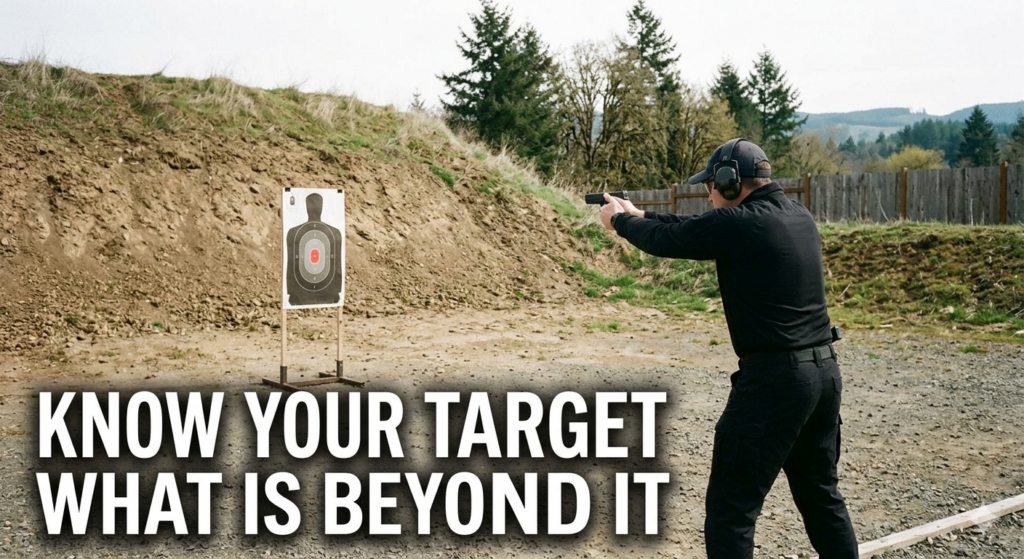
5. Know Your Target and What Is Beyond It
Before firing, every shooter must clearly identify the target and understand what lies behind it.
Professional shooting ranges are designed with secure backstops and barriers to stop projectiles safely. However, shooters must still remain fully aware of their surroundings.
Never shoot at:
- Unclear targets
- Moving objects without authorization
- Hard surfaces that may cause ricochets
Understanding your target improves both safety and shooting accuracy.
Important Questions to Ask:
- Is the target clearly visible?
- Is the area behind the target secure?
- Are other shooters safely positioned?
6. Follow Range Rules and Instructor Commands
Every shooting range operates under strict safety procedures. Range officers and instructors are responsible for maintaining discipline and ensuring everyone follows the rules.
Ignoring instructions can create dangerous situations, even if done unintentionally.
Common Range Commands Include:
- “Cease Fire”
- “Load”
- “Unload”
- “Range Clear”
When a command is given, shooters must respond immediately without hesitation.
Respect for Range Rules Shows:
- Discipline
- Professionalism
- Responsibility toward others
Good shooters are not only accurate but also highly disciplined.
7. Store Firearms and Ammunition Safely
Safe storage is a major part of responsible shooting.
When firearms or air guns are not in use, they should be stored securely to prevent unauthorized access, especially around children.
Safe Storage Practices:
- Use locked cabinets or safes
- Store ammunition separately
- Keep keys and combinations secure
- Unload equipment before storage
Even training air rifles and pistols should be stored carefully.
Responsible storage reduces the risk of accidents and theft while promoting a culture of safety.
8. Never Use Firearms Under Stress, Fatigue, or Substance Influence
A shooter’s mental focus is extremely important. Firearms should never be handled while:
- Tired
- Emotionally disturbed
- Distracted
- Under the influence of alcohol or drugs
Shooting sports require concentration, balance, precision, and calm decision-making. Poor judgment can lead to unsafe handling and accidents.
Responsible Shooters:
- Stay mentally alert
- Take breaks during long sessions
- Avoid risky behavior
- Maintain emotional control
Professional athletes understand that peak performance depends on both physical and mental discipline.
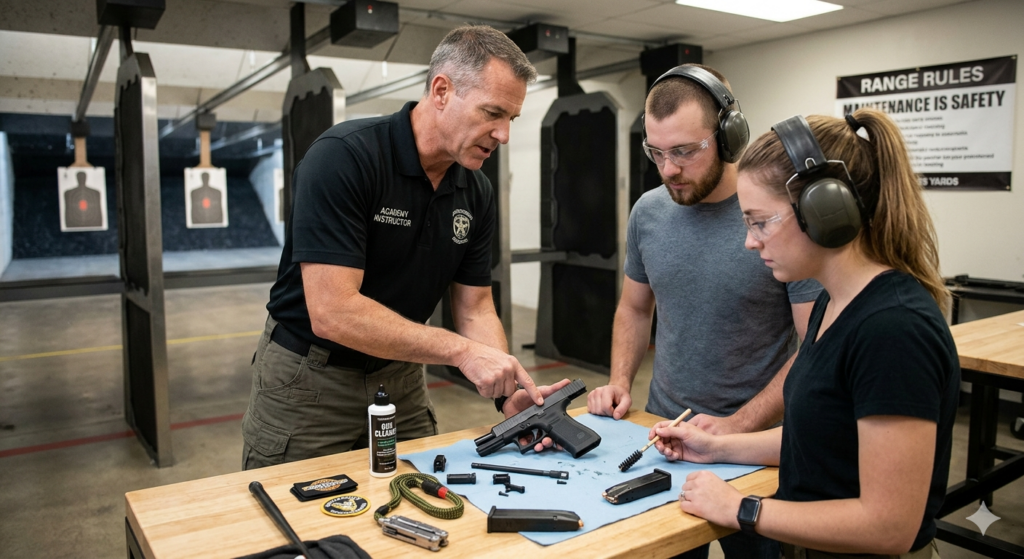
9. Learn Proper Handling and Maintenance
Regular maintenance ensures firearms and air guns function correctly and safely.
Improperly maintained equipment can malfunction and become dangerous.
Basic Maintenance Includes:
- Cleaning the barrel
- Checking moving parts
- Inspecting sights and triggers
- Using proper ammunition
- Following manufacturer guidelines
Beginners should always learn maintenance procedures from qualified instructors.
Benefits of Proper Maintenance:
- Improved safety
- Better shooting accuracy
- Longer equipment lifespan
- Reduced malfunction risks
Responsible shooters take care of their equipment just as athletes care for their sports gear.
10. Never Stop Learning About Safety
Safety training is not something you learn once and forget. Even Olympic-level shooters continuously practice safety habits and update their knowledge.
Technology, equipment, and competition standards evolve over time. Continuous learning helps shooters stay informed and responsible.
Ways to Improve Safety Knowledge:
- Attend professional coaching sessions
- Participate in certified training programs
- Practice regularly under supervision
- Observe experienced shooters
- Review range procedures frequently
The best shooters are lifelong learners who respect the sport and prioritize safety above everything else.
Why Safety Is the Foundation of Shooting Sports
Shooting sports are built on trust, discipline, and responsibility. Every participant at a shooting range depends on others to follow safety rules consistently.
Unlike many sports, shooting requires athletes to remain calm, focused, and aware of every movement they make. Safety habits eventually become automatic through proper training and practice.
When beginners learn correct safety procedures from the start, they build confidence and develop a professional mindset that benefits them throughout their shooting journey.
The Role of Shooting Academies in Safety Training
Professional shooting academies play an important role in developing safe and skilled shooters. Qualified coaches teach students:
- Proper firearm handling
- Range discipline
- Mental focus
- Equipment maintenance
- Competition standards
Beginners should always learn shooting sports under expert supervision instead of attempting to practice independently.
A good academy creates a structured environment where athletes can improve their skills while maintaining the highest safety standards.
Final Thoughts
Safety is not just a rule in shooting sports — it is a culture. Every responsible shooter understands that skill and safety go hand in hand. Whether you are practicing air rifle shooting, air pistol shooting, or preparing for professional competitions, following safety procedures protects everyone on the range.
The top shooters in the world succeed not only because of their accuracy but because of their discipline, focus, and respect for safety standards.
By following these 10 essential safety rules, beginners can build strong habits, improve their confidence, and enjoy shooting sports in a safe and professional environment.
Remember: a great shooter is always a safe shooter.