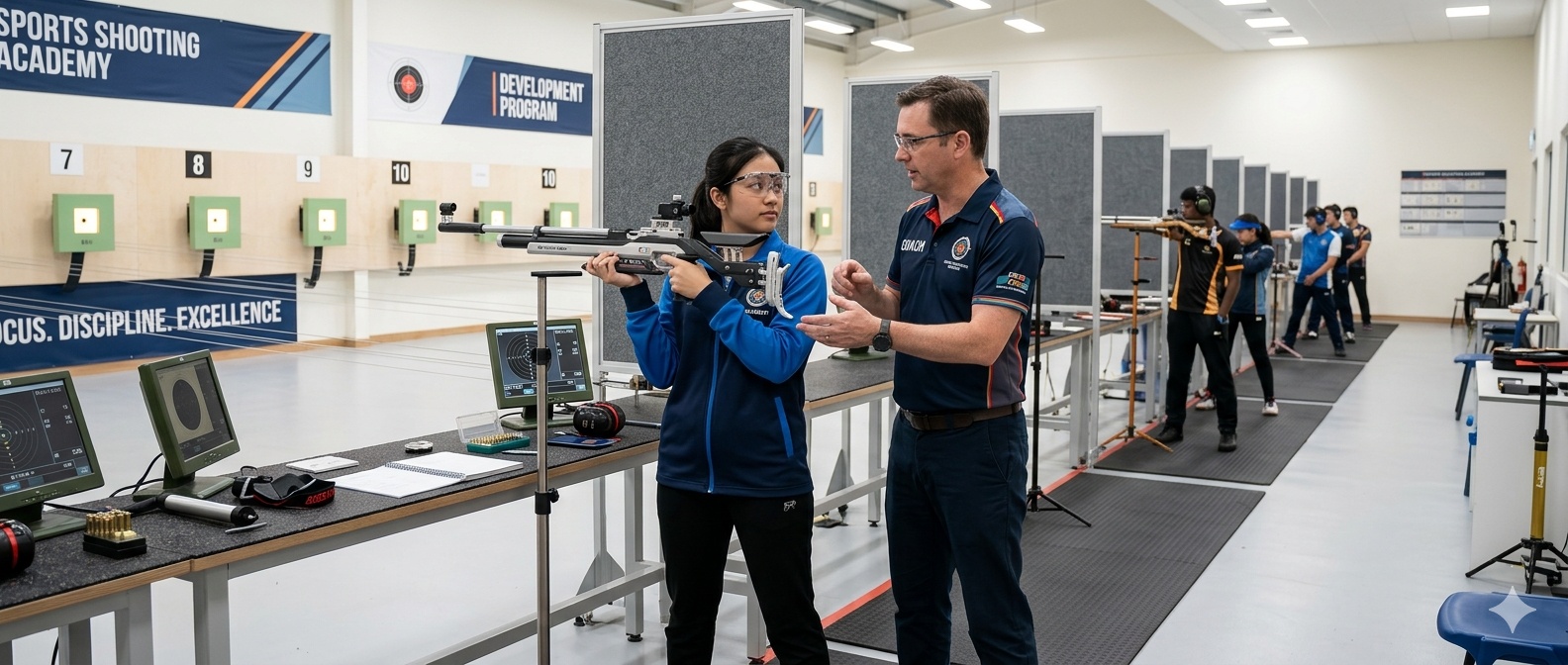
Starting something new always brings a mix of excitement and nervousness—and joining a shooting academy is no different. Whether you’re enrolling to learn a new sport, improve concentration, or begin a competitive shooting journey, your first day can feel like a big step.
The good news is that every experienced shooter once stood exactly where you are now: stepping onto the range for the first time, learning the basics, and figuring out what to expect.
At our academy, we believe the first day should feel comfortable, safe, and motivating. The goal is simple: help you understand the environment, learn the fundamentals, and leave feeling confident and excited to return.
Here’s what your first day at a shooting academy usually looks like.
A Warm Welcome and Registration
Your experience typically begins with a warm welcome from the academy team. When you arrive, staff members will guide you through registration and help with any basic paperwork or introductions.
This is also a great opportunity to ask questions.
If you’re unsure about anything—training schedules, academy rules, equipment, or class structure—your first day is the perfect time to ask. A good academy wants every student to feel informed and comfortable from the beginning.
You may also be introduced to your coach or instructor, who will guide your training and help create a comfortable learning pace.
The first goal isn’t performance—it’s helping you feel settled and ready.
Understanding the Training Environment
Before training begins, most academies will introduce you to the range and training space.
You’ll become familiar with:
- The shooting lane or practice area
- Safety zones
- Equipment storage
- Waiting or observation areas
- Range commands and academy procedures
Getting familiar with the environment matters because it builds confidence.
When students understand where everything is and how the range operates, they feel more relaxed and focused during training.
Your instructor may also explain how sessions are structured—from warm-up and drills to practice rounds and coaching.
This orientation makes the rest of the day feel much easier.
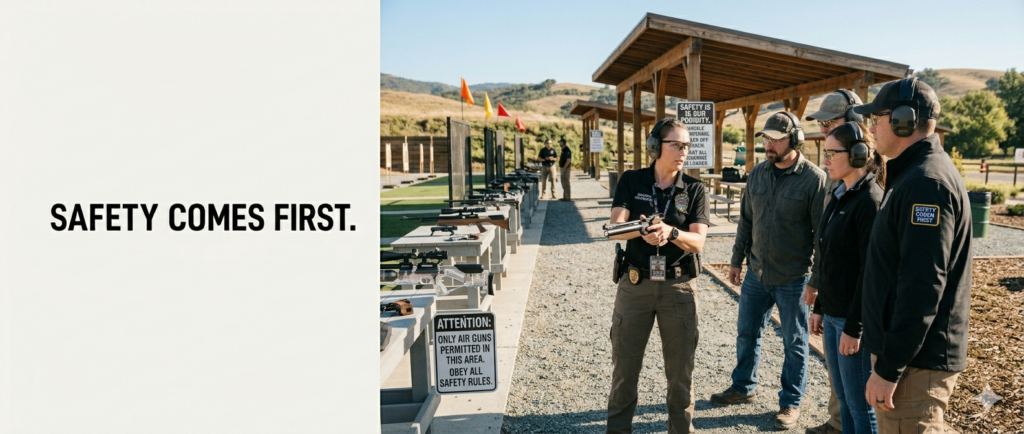
Safety Comes First
One of the most important parts of your first day is safety training.
Every reputable academy prioritizes safety before anything else.
Before any practical training begins, your coach will explain academy safety rules and demonstrate proper handling procedures.
Topics often include:
- Safe behavior on the range
- Range commands and how to respond
- Proper posture and awareness
- How training sessions are organized
- Respect for shared range space
- When to start and stop practice
This part may feel detailed, but it’s essential.
Safety training builds discipline and confidence. When students understand the correct process, they can focus better and enjoy training with peace of mind.
Experienced shooters continue following these habits every single session.
Meeting Your Coach
Your coach plays a big role in your shooting journey.
On the first day, they’ll usually spend time understanding:
- Your age and experience level
- Whether you are completely new or have previous training
- Your goals
- Whether you’re training recreationally or aiming for competition
- Areas where you feel confident or unsure
This helps the coach create the right starting point.
A beginner needs patience, encouragement, and strong fundamentals.
A coach may correct small details early—like body position, breathing rhythm, or focus habits—not to pressure you, but to help build strong technique from the start.
Remember: no one expects perfection on day one.
The coach’s job is to guide progress one step at a time.
Learning the Basics
Your first practical session focuses on fundamentals.
This usually includes:
Body Position
Learning how to stand or position yourself comfortably and steadily.
A stable position improves control and helps build consistency.
Grip and Balance
Your coach may explain how to stay balanced and relaxed during practice.
Small adjustments often make a big difference.
Focus and Concentration
Shooting requires calm attention.
Your instructor may guide you on how to focus your eyes, maintain concentration, and avoid distractions.
Breathing Control
Breathing helps regulate movement and improve steadiness.
Even simple breathing awareness can improve consistency.
Follow-Through
Beginners often rush.
A coach teaches you how to stay calm and maintain focus throughout the full movement.
These early fundamentals are the foundation for future improvement.
Your First Practice Session
Once orientation and instruction are complete, you may begin supervised practice.
This is often the most exciting part of the day.
Your coach will guide you through each step carefully.
The focus is not on score or competition.
It’s about:
- Becoming comfortable
- Following instructions
- Understanding technique
- Building confidence
- Staying calm and focused
You may feel nervous during the first few attempts.
That’s completely normal.
Most beginners notice that the nerves settle quickly once they focus on the coach’s instructions and the rhythm of practice.
The first session is about learning—not perfection.
Every small improvement matters.
Common Feelings on Day One
It’s normal to experience a mix of emotions:
Excitement
Trying something new is energizing.
Nervousness
Being in a new environment can feel unfamiliar.
Curiosity
You’ll naturally want to understand equipment, training methods, and how progress works.
Pressure to Perform
Many beginners worry about doing everything correctly.
But there’s no need to rush.
A quality academy understands that learning takes time.
Your first day is simply the beginning.
The goal is to feel comfortable enough to come back eager for the next session.
What to Wear and Bring
Keeping things simple helps.
Recommended items often include:
- Comfortable clothing
- Shoes suitable for standing and movement
- Water bottle
- Notebook for training notes
- Any academy documents or registration details
Some academies provide training equipment for beginners, while others may explain future gear recommendations.
If you’re unsure, checking academy guidelines beforehand helps.
The most important thing is comfort and focus.
Asking Questions Helps You Improve
Beginners sometimes hesitate to ask questions.
But questions are a big part of learning.
Ask things like:
- How should I improve this position?
- What should I practice before next session?
- How often should I train?
- What beginner mistakes should I watch for?
- How can I improve focus?
Good coaches welcome questions.
Learning becomes faster when students stay curious and involved.
What Happens After the First Day?
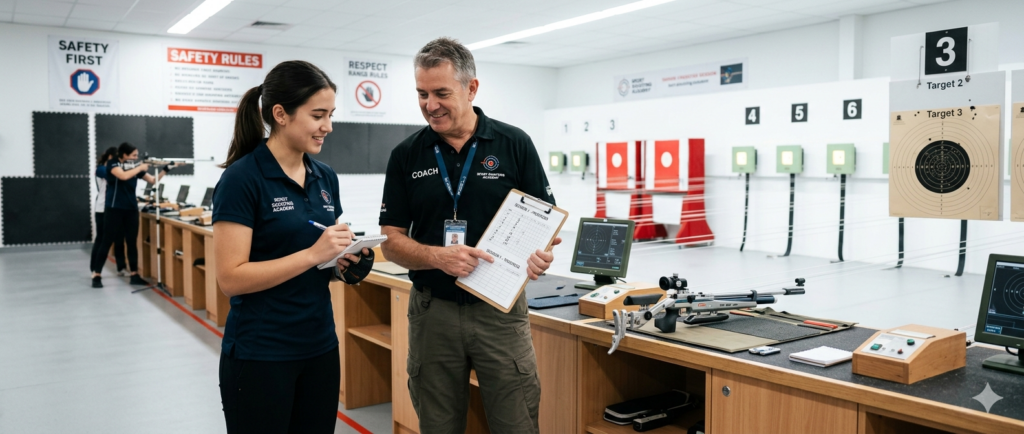
After your first session, your coach may discuss:
- What went well
- Areas to practice
- Beginner goals
- Training schedule
- Recommended next steps
This helps create a clear path forward.
Progress in shooting develops through consistent practice, patience, and strong fundamentals.
Every session adds confidence.
Over time, students often notice improvement not just in technique—but also in focus, discipline, patience, and self-control.
That’s one reason shooting training can be such a rewarding experience.
Final Thoughts
Your first day at a shooting academy is the beginning of a new skill and a new challenge.
It may feel unfamiliar at first—but that’s completely normal.
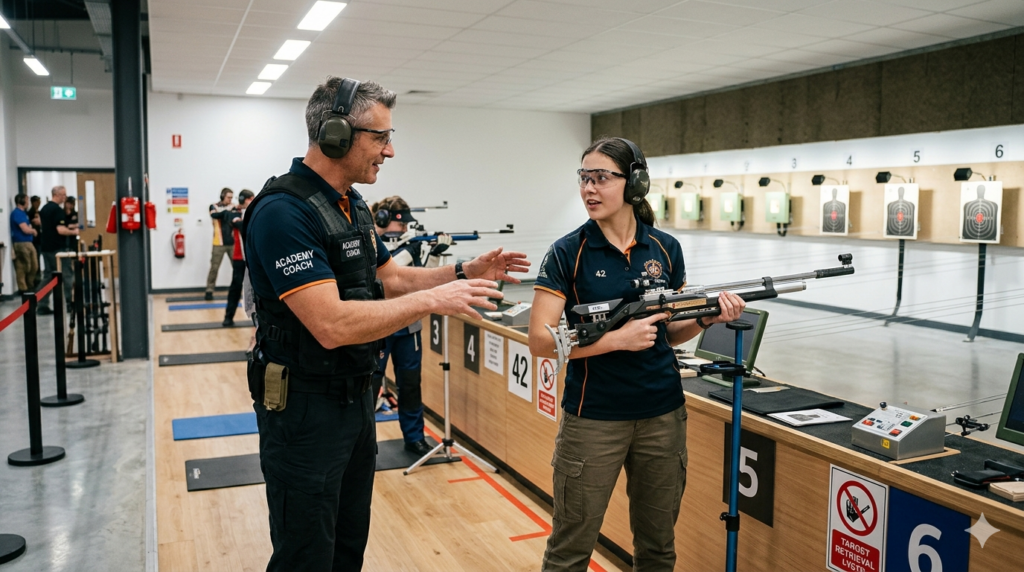
With guidance from experienced coaches, a supportive training environment, and a focus on fundamentals, beginners quickly become more comfortable and confident.
Every skilled shooter started with one first lesson.
One first session.
One first moment of learning.
The most important thing is simply showing up ready to learn.
And once you begin, you may discover not just a sport—but a long-term passion built on discipline, focus, and steady progress.
We look forward to welcoming you and helping you take that first step with confidence.